



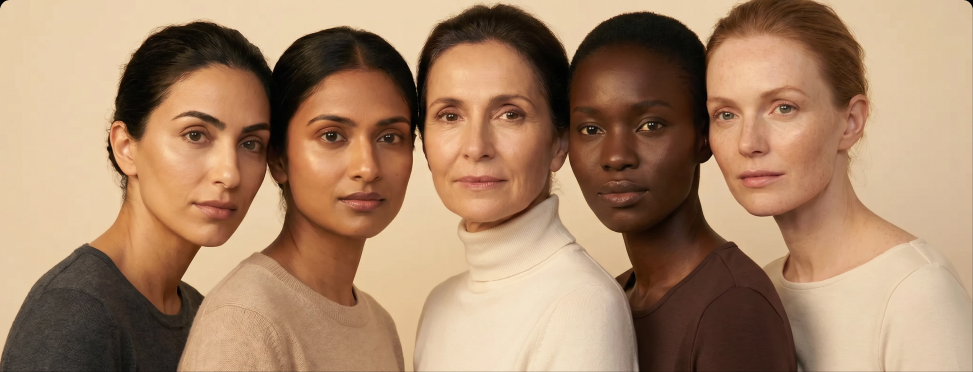
Skin is not uniform, and in a diverse environment like Dubai, it responds differently to treatment.
Melanin density, barrier function and inflammatory response directly influence outcomes — especially in procedures such as laser therapy and skin rejuvenation.
This is why modern dermatology is shifting towards a more precise, evidence-based approach, where treatment is guided by individual skin characteristics rather than general classifications.
Skin is not monolithic. Although helpful, conventional classification schemes like the Fitzpatrick scale oversimplify the intricacies of pigmentation biology, barrier function, and inflammatory reactions. The current agreement emphasizes that skin of color represents a range of phenotypes with unique physiological characteristics that affect treatment outcomes as well as aesthetic presentation. For example, melanin density influences post-procedure healing dynamics and laser energy absorption, which makes traditional treatment procedures designed for lighter skin less predictable for darker skin tones.
The need for improved classification techniques and research to close the outcome gap for these populations has been brought to light by an international expert panel. This change is not simply academic; it has a real impact on how medical professionals select equipment, modify energy levels, and arrange treatments to reduce side effects like dyschromia or scarring.
Evidence-Based Parameters in Treatment Planning
A rigorous, evidence-driven approach to multi-ethnic aesthetic treatment hinges on five core parameters:
1. Precise Phenotyping and Evaluation
A detailed skin profile, including Fitzpatrick type, melanin distribution, photoaging trends, and anatomical variations, is the first step in a clinical evaluation. Two examples of diagnostic techniques that can increase doctor accuracy are spectrophotometry and AI-enabled skin mapping. In locations like Dubai, where over 200 distinct nationalities are represented, such a comprehensive assessment is essential.
2. Treatment Modality Selection Based on Clinical Data
By focusing on both melanin concentration and skin health, research indicates that combining modalities (such laser with extra medical therapy) can improve outcomes in pigmentation issues. Multimodal laser therapy considerably improved satisfaction in a 300-subject randomized study when compared to single-modality techniques, highlighting the importance of a combinatorial approach in ethnic pigmentary disorders.
3. Modified Protocols and Energy Settings
Energy-based methods (such as Q-switched lasers or potent pulsed light systems) must be modified in higher melanin conditions to avoid overtreatment. An aesthetic clinic in Dubai should choose its equipment based on the evidence that supports more conservative fluences with gradual escalation to minimize issues.
4. Preventive Risk Reduction
Post-inflammatory hyperpigmentation and keloidal scarring are more common in people with darker phototypes. Even diagnostic tools need to be calibrated for fair efficacy, according to research on dermatological AI models, which also reveals differences in performance when identifying disorders on different skin tones.
5. Patient-Centric Outcome Metrics
In addition to clinical outcomes like wrinkle depth or pigmentation area, planning must consider patient satisfaction, the impact on quality of life, and culturally based aesthetic goals. Motivations cluster into several archetypes (e.g., Beautification, Positive Ageing), according to real-world data from over 54,000 patients globally, indicating that customised communication and expectation management are just as important as technical execution.
Industry Trends Shaping Practice in Dubai and Beyond
Dubai, already a burgeoning global aesthetic tourism destination, exemplifies how multi-ethnic treatment planning intersects with market dynamics. Research on dermatology and cosmetic treatments in the United Arab Emirates shows substantial development due to growing aesthetic consciousness, wealthy clients, and a strong need for individualised care. Until 2030, the UAE's cosmetic laser market is predicted to expand at a compound annual growth rate (CAGR) of over 14%. Additionally, supplemental items like skin boosters and injectables are anticipated to grow significantly as minimally invasive treatments become crucial to ethnic-sensitive aesthetic regimens.
Cultural Competence: Combining Patient Preferences with Results
The picture is completed by culture, perception, and choice; scientific criteria only give a portion of the tale. Regional studies show that misunderstandings regarding risk and safety endure even in areas where awareness of aesthetic procedures is rising. Clinics that make investments in patient education, clear outcome data, and culturally sensitive consultation methods not only increase adherence and satisfaction but also build confidence.
Conclusion
The planning and delivery of aesthetic treatments are changing due to the convergence of ethnicity, evidence, and innovation. The future is in precision aesthetics, where multi-ethnic skin concerns inform every stage from diagnosis to follow-up. This entails incorporating cutting-edge diagnostics, accepting cultural complexity as a fundamental clinical ability, and basing decisions on peer-reviewed research. Evidence-based criteria are essentially the ethical foundation of contemporary, inclusive aesthetic medicine, not just therapeutic recommendations.
Medical Disclaimer
This article is for informational purposes only and does not constitute medical advice.
Individual results may vary. Consult a qualified dermatologist before starting any treatment.