



Climate change is no longer only an environmental issue — it directly affects skin health.
Changes in UV exposure, air quality and humidity alter how the skin functions, increasing the risk of premature aging, inflammation and chronic conditions.
Understanding these factors allows for more proactive and adaptive skincare strategies.
Climate change is having a significant impact on our planet, and this includes our skin health. Beyond the obvious effects of melting ice caps and changing weather patterns, the environment's changing conditions can have a direct impact on our skin. As we experience these environmental shifts, we must proactively ensure our skin remains healthy and radiant.
Increased UV Exposure
As climate change leads to alterations in the ozone layer, our skin is subjected to increased UV radiation. This heightened exposure can contribute to premature aging, sun damage, and an elevated risk of skin cancers. Dermatologists recommend diligent sun protection, including broad-spectrum sunscreen, protective clothing, and seeking shade during peak sunlight hours.
Changes In Air Quality
Variations in the climate can deteriorate the air quality and raise pollution levels. Particulate matter and other pollutants can cause skin diseases to worsen, clog pores, and lead to the development of inflammatory skin illnesses. It is important to adjust your skincare regimen to consider environmental toxins — antioxidants, protective barriers, and mild cleansers can all assist in insulating the skin from the damaging effects of air pollution.
Altered Humidity Levels
Fluctuations in climate may result in varying humidity levels. Low humidity can lead to skin dehydration, causing dryness, irritation, and a compromised skin barrier. To combat this, amp your hydration game with moisturizers and humectants, and stay well-hydrated internally. These practices fortify the skin's natural moisture barrier.
Impact On Skin Conditions
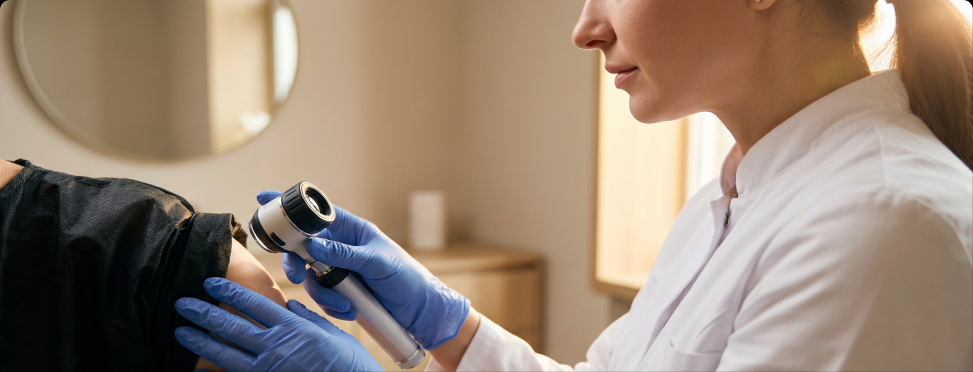
Skin disorders like rosacea, psoriasis, and eczema may worsen due to climate change. Warmer weather and changes in humidity can exacerbate symptoms and cause flare-ups. Dermatologists create personalized treatment plans to address climate-related skin concerns, with customized treatments helping control and lessen the symptoms of worsening skin diseases.
Hypersensitivity To Skin Allergens
Pollen levels can rise due to altered climate patterns, aggravating allergies. Itching, redness, and skin sensitivity are some allergic reaction symptoms. Individuals prone to allergies should consider antihistamines as per their dermatologist's advice, and adjust skincare routines to include hypoallergenic products.
Global Warming and Skin Cancer Risks
Rising global temperatures can intensify heatwaves, increasing the risk of heat-related skin issues and conditions. Additionally, prolonged exposure to high temperatures may contribute to skin cancer risks. It is important to prioritize sun-smart practices, such as avoiding prolonged sun exposure, wearing protective clothing, and scheduling outdoor activities during cooler parts of the day.
Conclusion
At MSM Pro Derma Dermatology Clinic, we understand that changes in weather and climate can profoundly affect skin health. It's critical to be educated and take preventative skincare steps to keep your complexion youthful and healthy. A skin specialist can assist you in creating a customized skincare regimen based on your requirements and Dubai's ever-changing climate.
Core Environmental Insight
Skin is the first organ to respond to environmental change — and often the first to show damage.
Medical Disclaimer
This article is for informational purposes only and does not constitute medical advice.
Individual results may vary. Consult a qualified dermatologist before starting any treatment.